Tornado Warnings Impacting the Indianapolis Region
Get the latest updates on tornado warnings in the Indianapolis region, including safety tips, historical data, and community impact.
 By Tonya Calin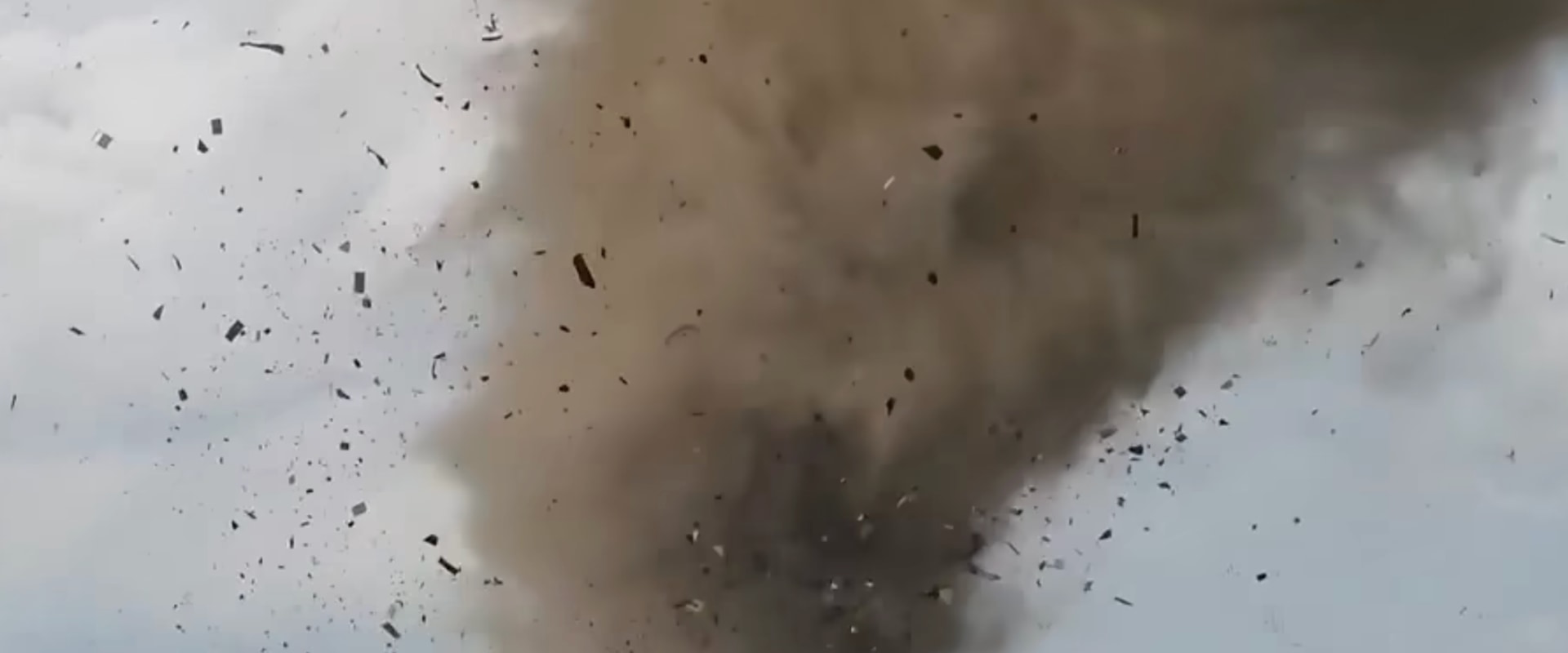
As the skies darken and the winds begin to howl, residents of the Indianapolis region must remain vigilant and informed about the potential for severe weather.
Tornado warnings for the Indianapolis region
can strike suddenly, transforming calm days into chaotic ones. Understanding the nuances of these warnings is crucial for ensuring the safety of you and your loved ones. In this article, we will delve deep into the importance of staying updated on tornado alerts, what these warnings mean, and how they can affect daily life in the Indianapolis area.Whether you are a long-time resident or new to the region, knowing how to respond to a tornado warning can make all the difference in an emergency. Join us as we explore the latest updates on Tornado warnings impacting the Indianapolis region, and equip yourself with the knowledge needed to navigate severe weather conditions effectively. Your safety is our priority, and staying informed is your best defense against nature's fury.
Tornado warnings for Indianapolis region
have become an increasingly crucial topic for residents and meteorologists alike. Indiana's geography, particularly in the Indianapolis area, makes it susceptible to severe weather conditions that can produce tornadoes.The state is located in what is commonly referred to as "Tornado Alley," where warm, moist air from the Gulf of Mexico meets cool, dry air from Canada. This clash of air masses can create the perfect conditions for tornado development. During the spring and early summer months, when these weather patterns are most pronounced, residents need to remain vigilant. Statistics indicate that Indiana experiences around 20 tornadoes each year on average, with the Indianapolis area being no stranger to these severe weather events. In fact, according to the National Weather Service, Marion County has recorded numerous tornado occurrences, with some reaching EF3 on the Enhanced Fujita scale, indicating significant damage potential.
The most recent tornado warning in the area served as a reminder of the destructive power these storms can unleash, causing damage to infrastructure and prompting evacuations. Local meteorological services play a pivotal role in issuing tornado warnings. The National Weather Service (NWS) employs advanced technology, including Doppler radar and satellite imagery, to monitor weather systems and predict tornado activity. When conditions are favorable for tornado formation, meteorologists analyze data from these sources and issue warnings that are broadcasted through various channels, including local radio stations, television news, and social media platforms. The timely dissemination of this information is essential for public safety. For residents, understanding how to respond during a tornado warning is critical.
Safety tips include seeking shelter in a sturdy building, preferably in a basement or an interior room on the lowest floor away from windows. Those living in mobile homes should find a nearby permanent structure or designated storm shelter. It is also advisable to have an emergency kit prepared with essentials such as water, non-perishable food, flashlights, batteries, and a first-aid kit. Knowing your community resources can make a significant difference; local storm shelters and emergency response teams are invaluable assets during severe weather events. Recent tornado warnings have highlighted the importance of preparedness in the face of unpredictable weather patterns.
Communities across Indianapolis have responded by launching initiatives aimed at improving public awareness and response strategies. Local agencies have conducted drills and educational campaigns to equip residents with the knowledge needed to stay safe during storms. These efforts have fostered a sense of community resilience, reminding individuals that they play a vital role in their own safety. As discussions around climate change continue to evolve, many people express concerns about its impact on severe weather patterns. Research indicates that climate change may contribute to the increased frequency and intensity of extreme weather events, including tornadoes.
While it remains challenging to directly attribute any single tornado event to climate change, understanding these broader trends is vital for communities like Indianapolis that face the threat of severe storms. In conclusion, remaining informed about tornado warnings for the Indianapolis region is essential for ensuring safety and preparedness. By staying aware of current weather patterns, understanding how warnings are issued, and knowing what actions to take during a storm, residents can better protect themselves and their families in the face of severe weather challenges.
Understanding Tornado Warnings
Tornado warnings are crucial alerts that inform residents about the potential for severe weather in their area. Understanding the different levels of tornado alerts can make a significant difference in how individuals and families prepare for such events. There are primarily two key terms to know: tornado watch and tornado warning.A tornado watch indicates that conditions are favorable for the development of tornadoes in the designated area.This means that weather patterns are conducive to tornado formation, and residents should remain alert, monitor local news, and be prepared to act if a warning is issued. On the other hand, a tornado warning is more serious. It means that a tornado has been spotted in the area or indicated by weather radar. When a warning is issued, it is essential for residents to take immediate action to ensure their safety. This may involve seeking shelter in a sturdy building, moving to an interior room or basement, and staying away from windows. By understanding these alerts, residents of the Indianapolis region can better prepare themselves and their families for severe weather events.
Keeping informed about tornado watches and warnings can ultimately save lives and reduce property damage during a storm.
Historical Context
Tornado warnings have been a crucial part of the weather landscape in Indianapolis, shaping not only the natural environment but also the community's response to severe weather. The history of significant tornado events in the region reveals a pattern of destruction and resilience that highlights the importance of preparedness. One of the most devastating incidents occurred on March 2, 1974, when a powerful tornado struck the Indianapolis area as part of a larger outbreak that affected several states. This tornado resulted in multiple fatalities and extensive damage to homes and businesses, leaving a lasting scar on the community. The aftermath served as a wake-up call for residents and local authorities regarding the need for effective tornado warning systems and emergency response plans. In more recent years, the Indianapolis region has experienced several tornado events that, while not as catastrophic as the 1974 incident, still posed significant threats.For instance, on June 29, 2012, a tornado touched down in nearby areas, causing property damage and prompting warnings that affected thousands of residents. These events underscore the unpredictability of severe weather and the necessity for communities to remain vigilant. The impact of these tornado events extends beyond physical damage; they foster a sense of urgency among residents to stay informed about weather conditions. Schools, businesses, and local governments have increasingly prioritized storm preparedness and public awareness campaigns to mitigate risks associated with future tornado warnings. This historical context serves as a reminder of the challenges faced by the Indianapolis region and the ongoing need for community resilience in the face of severe weather.
Community Preparedness Efforts
In the face of unpredictable weather patterns, community preparedness has become a vital focus for residents in the Indianapolis region.Local initiatives are being implemented to educate citizens on how to respond effectively during severe weather events, including tornado warnings. One notable effort is the collaboration between local government agencies and non-profit organizations to host severe weather preparedness workshops. These workshops aim to equip individuals and families with essential knowledge about tornado safety, emergency kits, and communication plans. Additionally, schools across the Indianapolis area have incorporated severe weather training into their curricula. This proactive approach ensures that children are not only aware of the dangers posed by tornadoes but also understand the steps they can take to stay safe.
Schools conduct regular drills, simulating tornado scenarios to familiarize students with the appropriate responses. The Indianapolis Office of Emergency Management has also launched a robust public awareness campaign that includes social media outreach, informational flyers, and community meetings. These efforts emphasize the importance of staying informed through weather alerts and understanding the significance of tornado warning systems. By fostering a culture of preparedness, the city aims to reduce panic and enhance community resilience when severe weather strikes. Moreover, neighborhood associations are encouraged to establish emergency response teams that can act quickly in the event of a tornado warning. These teams are trained to assist vulnerable populations and coordinate with local emergency services to ensure a swift response.
Such grassroots initiatives not only build community bonds but also create a network of support during critical moments. Ultimately, the ongoing commitment to community preparedness in the Indianapolis region highlights the proactive measures taken to safeguard residents from the potentially devastating impacts of tornadoes. Through education, training, and collaboration, the community stands ready to face severe weather challenges head-on.
Safety Tips During Tornado Warnings
When a tornado warning is issued for the Indianapolis region, it is essential to take immediate action to ensure the safety of yourself and your loved ones. Here are some practical steps to follow:1.Seek Shelter Immediately: Find a sturdy building and move to a safe location, ideally a basement or an interior room on the lowest floor, away from windows. If you are outside or in a vehicle, seek shelter in a nearby building if possible.2.Stay Informed:
Keep up with the latest weather updates through local news stations, weather apps, or NOAA Weather Radio.This will help you stay aware of any changes in the storm's path.
3.Prepare an Emergency Kit:
Ensure you have a kit ready with essential supplies such as water, non-perishable food, a flashlight, batteries, first aid supplies, and any necessary medications.4.Protect Yourself:
Use heavy blankets, mattresses, or helmets to shield yourself from debris if you cannot reach a designated storm shelter. Cover your head and neck for additional protection.5.Avoid Windows:
Stay away from glass and windows during a tornado warning as flying debris can shatter them, posing serious injury risks.6.Have a Family Plan:
Discuss and practice your family’s tornado safety plan ahead of time, including where to go and how to communicate if you become separated.7.Follow Official Instructions:
Always adhere to the guidance provided by local authorities and emergency services regarding evacuation and safety measures. Tornado warnings can be alarming, but being prepared and knowing what steps to take can significantly increase your chances of staying safe during severe weather events. In conclusion, the urgency and significance of Tornado Warnings in the Indianapolis region cannot be overstated. As we have seen from recent events, preparedness is crucial in ensuring the safety of our communities. It is vital for residents to stay informed about severe weather warnings and to actively participate in community preparedness efforts.By remaining engaged with local news sources for real-time updates, individuals can make informed decisions that can save lives. Additionally, fostering discussions with neighbors about safety strategies not only builds community resilience but also enhances collective awareness and readiness for any severe weather event.