Public Meetings with Law Enforcement in Indianapolis
Explore the importance of public meetings with law enforcement in Indianapolis, discussing community engagement, crime prevention, and local issues.
 By Tonya Calin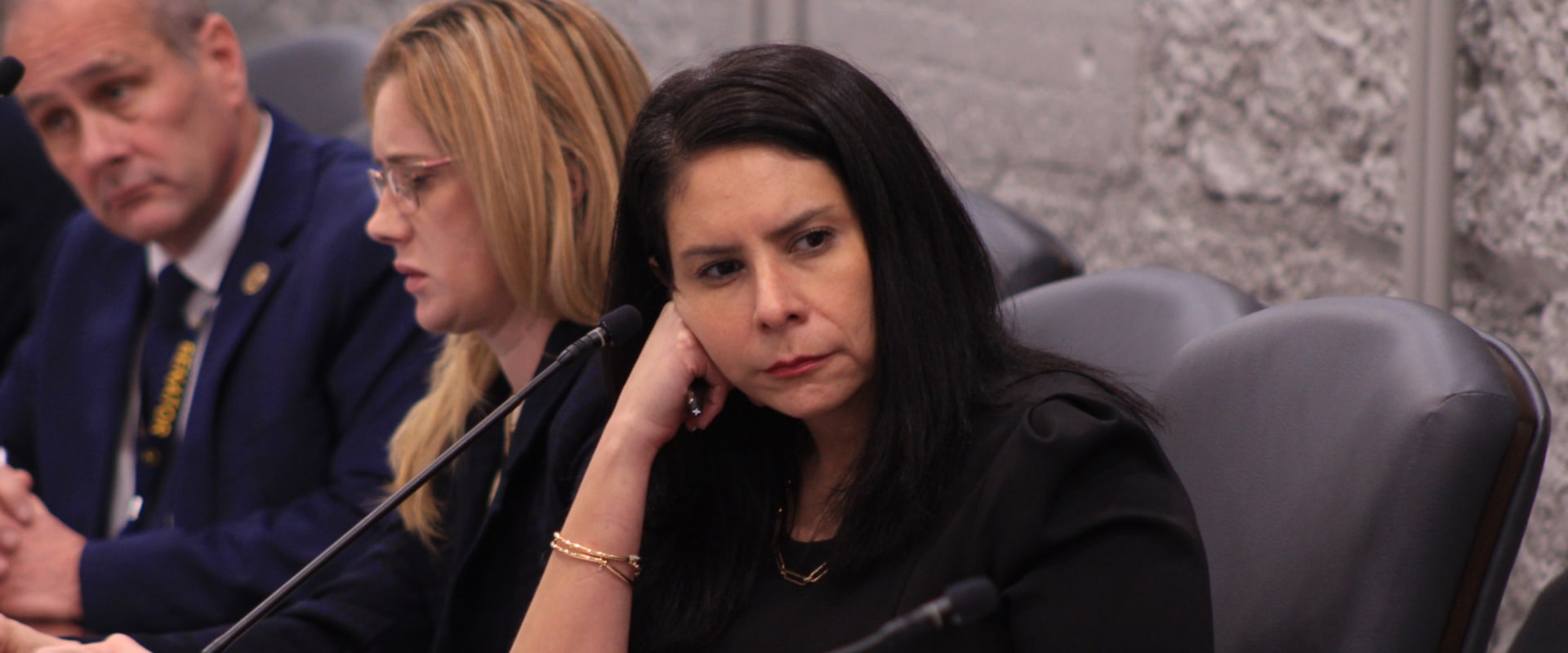
In an ever-evolving society, the relationship between citizens and law enforcement is crucial for fostering trust and ensuring community safety. In an ever-evolving society, the relationship between citizens and law enforcement is crucial for fostering trust and ensuring community safety. Public meetings with law enforcement officialsPublic meetings with law enforcement officials serve as a vital platform for dialogue, allowing residents to voice their concerns, seek answers, and gain insights into the operations of their local police departments. In Indianapolis, these gatherings have become instrumental in bridging the gap between officers and the community they serve. As public interest in crime rates and police accountability grows, understanding the significance of these meetings is more important than ever. They not only provide an opportunity for law enforcement to share updates on crime trends and initiatives but also empower citizens to engage actively in the decision-making processes that affect their neighborhoods.
Through open discussions, residents can better comprehend the challenges faced by law enforcement while also expressing their expectations for transparency and accountability. This article will delve into the importance of public meetings with law enforcement officials in Indianapolis, exploring their role in enhancing community relations, addressing public safety concerns, and fostering a collaborative environment where both police and citizens can thrive together. Join us as we uncover how these meetings are shaping the future of public safety in Indianapolis. Public meetings with law enforcement officials in Indianapolis serve as vital touchpoints between the community and those tasked with maintaining public safety. These gatherings come in various formats, including town halls, community forums, and workshops, each designed to facilitate dialogue and foster understanding. The significance of these meetings cannot be overstated, as they play a crucial role in nurturing community relations and enhancing public safety. One of the primary objectives of these public meetings is to educate residents on crime trends within their neighborhoods.
By providing data and insights into local crime rates, law enforcement officials can help residents understand the challenges their communities face. This transparency is essential in building trust, as it equips citizens with the knowledge they need to stay informed and engaged. Additionally, these meetings create an opportunity for law enforcement to gather valuable feedback from community members regarding their experiences and perceptions of policing. In recent years, Indianapolis has witnessed a surge in interest surrounding public meetings with law enforcement. For example, a town hall meeting held last summer focused on the rising concerns about violent crime rates in certain neighborhoods.
Community leaders, residents, and police officials came together to discuss strategies for crime prevention and intervention. Attendees had the chance to voice their concerns directly to law enforcement representatives, fostering a sense of collaboration aimed at enhancing public safety. Another notable event was a series of community forums dedicated to improving community-police relations. These forums allowed residents to share their experiences with law enforcement and discuss issues such as bias and accountability. The police department took these discussions seriously, committing to ongoing training and policy reviews based on the feedback received from the community.
Such outcomes highlight how these public meetings can lead to tangible changes within law enforcement practices. Furthermore, workshops organized by local police departments often focus on specific topics such as drug awareness or youth engagement. These interactive sessions not only provide critical information but also allow for hands-on involvement, making participants feel more connected to their local law enforcement agencies. Despite the positive impact of these public meetings, there are criticisms regarding their effectiveness. Some community members feel that while these events are well-intentioned, they do not always lead to substantial change or follow-up actions. To improve these gatherings, it is essential for law enforcement agencies to ensure that they are not merely token gestures but rather part of a larger commitment to ongoing community engagement. To address this concern, police departments could implement structured feedback mechanisms post-meeting, allowing residents to see how their input is being utilized.
Additionally, regular updates on the progress of initiatives discussed during these meetings would demonstrate accountability and foster ongoing trust between law enforcement and the community. In conclusion, public meetings with law enforcement officials in Indianapolis play a critical role in bridging the gap between police and community members. By fostering dialogue and addressing pressing issues related to policing, these gatherings not only enhance public safety but also contribute significantly to building lasting trust and collaboration within the community.
Impact on Community Relations
Public meetings with law enforcement officials serve as a vital bridge between the police and the communities they serve. These gatherings create a platform for open dialogue, allowing residents to voice their concerns, share experiences, and ask questions directly to their local law enforcement representatives. By facilitating this exchange, trust can be built over time, fostering a sense of partnership rather than antagonism. When community members feel heard, it diminishes the barriers that often exist between them and law enforcement.This increased engagement can lead to improved perceptions of the police, as individuals begin to see officers not merely as enforcers of the law but as integral members of the community dedicated to public safety and well-being. Moreover, these meetings often provide valuable insights for law enforcement officials regarding community-specific issues and concerns. By understanding the unique challenges faced by residents, police can tailor their strategies and initiatives to better serve the community's needs, further enhancing trust and cooperation. As communities become more engaged in local governance, it is essential for law enforcement to embrace transparency and accountability. Public meetings exemplify this commitment, demonstrating that police departments are willing to listen and adapt based on community feedback. This approach not only strengthens relationships but also promotes a culture of mutual respect and collaboration. In essence, public meetings with law enforcement officials can significantly improve trust within the community, paving the way for enhanced public safety and stronger community ties.
Challenges and Criticisms
While public meetings with law enforcement officials in Indianapolis aim to strengthen community relations, several challenges and criticisms often arise during these engagements.One significant issue is the perception of distrust between community members and law enforcement. Many residents may feel that their concerns are not adequately addressed or that the meetings serve merely as a formality rather than a genuine effort to foster dialogue. Another challenge is the representation of diverse voices. Often, these meetings attract a limited demographic, which can lead to a skewed understanding of community needs and priorities. Engaging marginalized or less vocal groups remains a critical hurdle for law enforcement officials who strive for inclusivity. Additionally, there is the concern regarding transparency and accountability.
Community members sometimes question the sincerity of law enforcement’s commitments made during these meetings, particularly if past promises have gone unfulfilled. This skepticism can result in lower participation rates and reduced effectiveness of the discussions. Finally, logistical issues such as timing and location can also impede community engagement. If meetings are scheduled at inconvenient times or held in locations that are not easily accessible, it can deter attendance, thereby limiting the opportunity for meaningful dialogue between residents and law enforcement.
Recent Meetings in Indianapolis
Recent public meetings with law enforcement officials in Indianapolis have served as vital platforms for community engagement. For instance, the Indianapolis Metropolitan Police Department (IMPD) hosted a meeting last month to address rising concerns about neighborhood safety and crime prevention strategies.During this session, community members voiced their experiences and suggestions, leading to constructive dialogues about improving local safety. Another notable meeting focused on the implementation of body-worn cameras by police officers. Residents expressed their views on transparency and accountability, highlighting the importance of these technologies in fostering trust between the police and the community. Feedback from attendees indicated a strong desire for ongoing discussions surrounding this initiative. Community leaders have praised these meetings as crucial for bridging the gap between law enforcement and citizens. One local advocate stated, "Engaging directly with our police department not only helps us understand their challenges but also allows them to hear our concerns firsthand." This sentiment underscores the growing interest in local governance and the push for transparency within the Indianapolis Police Department.Additionally, topics such as mental health resources for officers and community support initiatives have been addressed in recent gatherings.
Participants appreciated the police department's commitment to addressing broader social issues that impact public safety, demonstrating that these meetings are more than just forums for complaint—they are collaborative efforts aimed at building a safer Indianapolis.
The Role of Public Meetings
Public meetings serve as a vital platform for fostering communication between law enforcement officials and the community they serve. These gatherings provide an opportunity for residents to voice their concerns, ask questions, and engage in meaningful dialogue with police representatives. This two-way communication enhances transparency and builds trust, which are essential components of effective law enforcement. One of the primary reasons public meetings are essential is that they allow community members to gain insight into the challenges and strategies faced by law enforcement. By understanding the realities of policing, citizens can appreciate the complexities involved in maintaining public safety.This knowledge can lead to greater support for police initiatives and policies. Furthermore, public meetings empower individuals to contribute to the decision-making process regarding local crime and safety issues. When citizens participate actively, they help shape the priorities and actions of their police department, ensuring that the needs of the community are met. This collaborative approach not only enhances public safety but also strengthens community bonds. Additionally, these meetings can highlight important statistics or updates related to crime trends in the area. For instance, sharing recent crime data can spark discussions on how to address specific issues, making residents feel more informed and involved.
Such engagement can lead to innovative solutions and partnerships that benefit the entire community. In conclusion, public meetings are crucial for effective law enforcement and community engagement. They bridge the gap between police and residents, fostering an environment of collaboration that ultimately enhances public safety and trust.
Public meetings with law enforcement officials
in Indianapolis play a crucial role in bridging the gap between the police and the community. These gatherings foster trust, enhance transparency, and empower residents to engage actively in discussions regarding their safety and well-being. As we have explored, the significance of these meetings extends beyond mere dialogue; they serve as a platform for collaboration, allowing citizens to voice their concerns and contribute to local safety initiatives. With an increasing interest in governance and accountability, it is essential for community members to take part in these forums. We encourage all residents of Indianapolis to participate in future public meetings.Your voice matters, and together we can create a safer, more connected community.


