Flooding Updates and Safety Tips for Indianapolis Residents
Get the latest flooding updates, safety tips, and resources for Indianapolis residents to stay safe during severe weather conditions.
 By Tonya Calin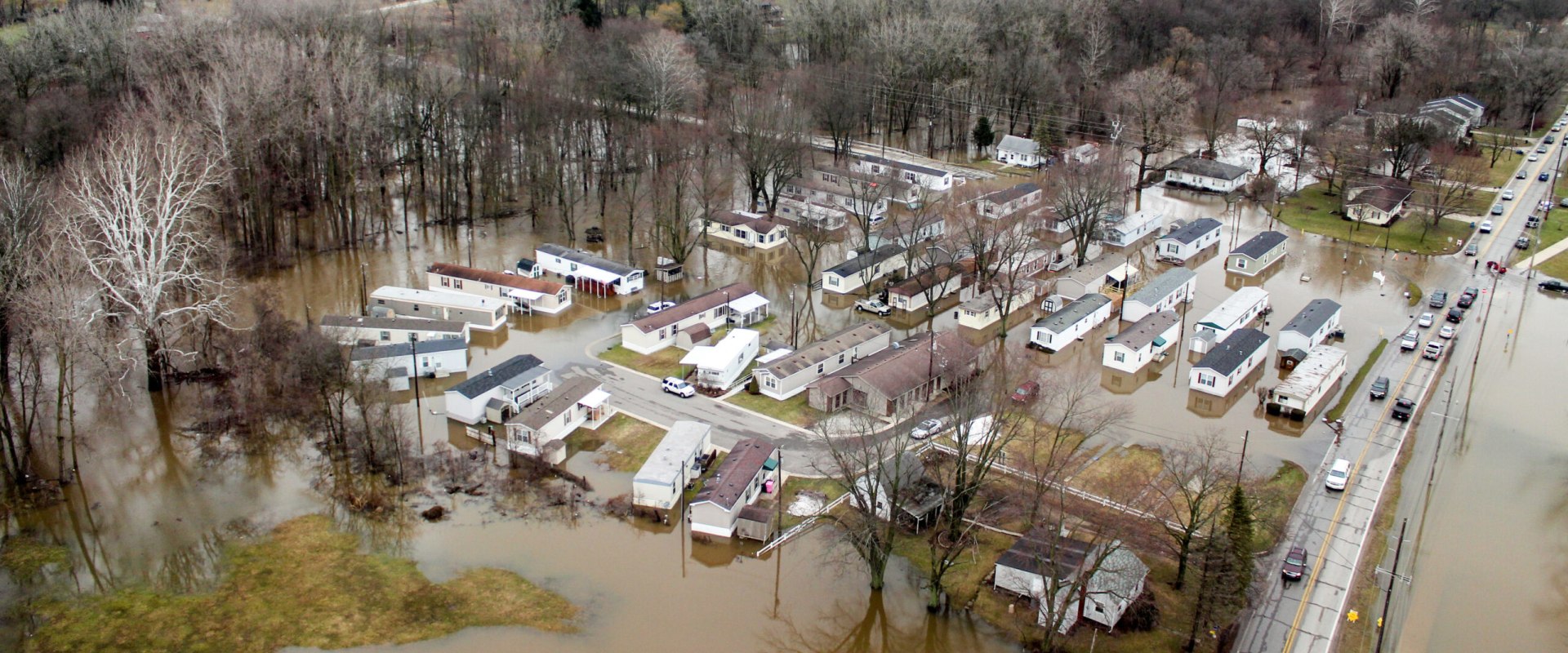
As Indianapolis residents, staying informed about severe weather conditions is crucial for ensuring your safety and the safety of your loved ones.
Flooding updates and safety tips
are essential components of this knowledge, especially in a city that experiences significant rain events. Whether you're a long-time local or new to the area, understanding how to prepare for potential flooding can make all the difference. In recent years, Indiana has faced its fair share of severe weather, with sudden downpours and rising waters catching many off guard. The need for timely and accurate information has never been greater.In this article, we will delve into the latest flooding updates affecting Indianapolis and provide you with indispensable safety tips to navigate these challenging circumstances. From understanding flood zones to knowing the best practices for emergency preparedness, our comprehensive guide aims to equip you with the tools necessary to stay safe when disaster strikes. Join us as we explore current weather patterns, local alerts, and proactive measures that can protect you and your family during flooding events. The current state of flooding in Indianapolis has raised significant concern among residents and local officials alike. Recent reports indicate that heavy rainfall has led to rising water levels in various parts of the city, prompting alerts from both the National Weather Service and local news outlets. For instance, areas along the White River and several low-lying neighborhoods have experienced substantial inundation, affecting both residential and commercial properties.
According to a recent press conference held by the Indianapolis Mayor, over 200 homes have reported water damage, which highlights the urgency of the situation and the importance of community awareness. Flooding can affect various areas of Indianapolis in different ways. In terms of transportation, many roadways have been submerged, leading to hazardous driving conditions and potential road closures. Public transportation services have also faced disruptions, which can leave commuters stranded or late for work. Homes in flood-prone areas are at significant risk, with many residents needing to evacuate quickly to ensure their safety.
Businesses, particularly those located near rivers or streams, may also face financial losses due to property damage and a decrease in customer access during flooding events. In light of these risks, it is essential for residents to implement actionable safety tips during flooding events. First and foremost, having an emergency kit ready can be a lifesaver. This kit should include essential items such as bottled water, non-perishable food, first-aid supplies, flashlights, batteries, and important documents. Understanding evacuation routes is another critical precaution; residents should familiarize themselves with the safest paths out of their neighborhoods and have a plan in place for where to go if evacuation becomes necessary.
Staying updated through reliable news sources is equally vital. Following local news stations and official government channels will provide real-time updates on weather conditions and emergency instructions. Historically, Indianapolis has faced numerous flooding events that serve as reminders of the potential dangers associated with severe weather. For example, the flood of 2008 resulted in widespread damage across the city, affecting thousands of homes and leading to lengthy recovery efforts. Such events underscore the necessity of being prepared and vigilant during periods of heavy rain or severe weather warnings.
It is crucial for residents to heed alerts from local authorities, as they often provide valuable information about ongoing risks and safety measures. Some residents may have concerns or misconceptions about flooding safety measures. One common misunderstanding is that staying indoors during a flood is always safe; however, this can be misleading if water levels rise quickly or if emergency services need to conduct evacuations. Additionally, some individuals may believe that their homes are safe from flooding due to their location or elevation; this assumption can be dangerous if unforeseen weather patterns occur. It is vital for everyone to respect the power of nature and prioritize safety over property when facing potential flooding situations. In conclusion, staying informed about the current state of flooding in Indianapolis and adhering to safety tips can significantly enhance personal safety and community resilience.
By taking proactive steps and remaining aware of the risks associated with flooding, residents can better navigate these challenging circumstances together.
Resources for Staying Informed
Staying informed during severe weather events such as flooding is crucial for the safety of Indianapolis residents. Here are some key resources that can help you receive timely updates and important information:Local News Outlets: Tune in to local television stations like WTHR (Channel 13), WISH (Channel 8), and RTV6 (Channel 6) for live coverage of flooding conditions and updates on emergency measures. These stations often provide real-time reports and expert analysis on weather patterns.Official City Websites:
The City of Indianapolis maintains an official website where residents can find essential information about flooding alerts, emergency services, and community resources. Visit www.indy.gov for the latest updates.Social Media Channels:
Follow the Indianapolis Office of Emergency Management on social media platforms such as Twitter and Facebook for instant alerts and safety tips.Their handles regularly post updates regarding weather conditions, evacuation routes, and other critical information. By utilizing these resources, residents can remain vigilant and informed, ensuring their safety and that of their families during flooding events.
Current Flooding Situation in Indianapolis
Recent flooding events in Indianapolis have caused significant disruptions across various neighborhoods, prompting local authorities to issue emergency declarations. The most recent rainfall has resulted in swollen rivers and overflowing drainage systems, particularly impacting areas such as Downtown Indianapolis, Broad Ripple, and the Near East Side. Local officials have reported that several streets have become impassable due to standing water, leading to traffic delays and hazardous conditions. According to the Indianapolis Emergency Management Agency, approximately 200 homes have experienced flooding, with many residents being urged to evacuate to safer locations. The agency has emphasized the importance of remaining vigilant, stating that the situation remains fluid and that conditions could worsen if additional rainfall occurs. The city has declared a state of emergency, allowing for the mobilization of resources to assist those affected by the flooding.Community centers are being set up as shelters for displaced residents, and volunteers are actively working to provide food and supplies. Local officials stress that staying informed through official channels is crucial for personal safety and community resilience during this challenging time.
Safety Tips for Residents
Flooding can pose significant risks to individuals and families in Indianapolis. Being prepared and knowing how to respond can save lives and minimize property damage. Here are some essential safety tips to keep in mind:1.Stay Informed: Monitor local news outlets and the National Weather Service for real-time updates on flooding conditions.Consider downloading weather apps that provide alerts specific to your area.
2.Create an Emergency Plan:
Develop a family emergency plan that outlines where to go and how to communicate during a flood. Designate a meeting place and ensure all family members understand the plan.3.Prepare an Emergency Kit:
Assemble a kit containing essential supplies such as non-perishable food, water, medications, flashlights, batteries, and first-aid supplies. Keep this kit in a waterproof container.4.Know Your Flood Zone:
Understand if you live in a flood-prone area. If so, consider elevating electrical appliances and utilities above potential flood levels to minimize damage.5.Sandbags and Barriers:
Use sandbags or other barriers to divert water away from your home.Make sure you have these supplies readily available before severe weather strikes.