Innovative Green Initiatives in Indianapolis
Discover the latest green initiatives by the local government of Indianapolis and how they impact the community and environment.
 By Tonya Calin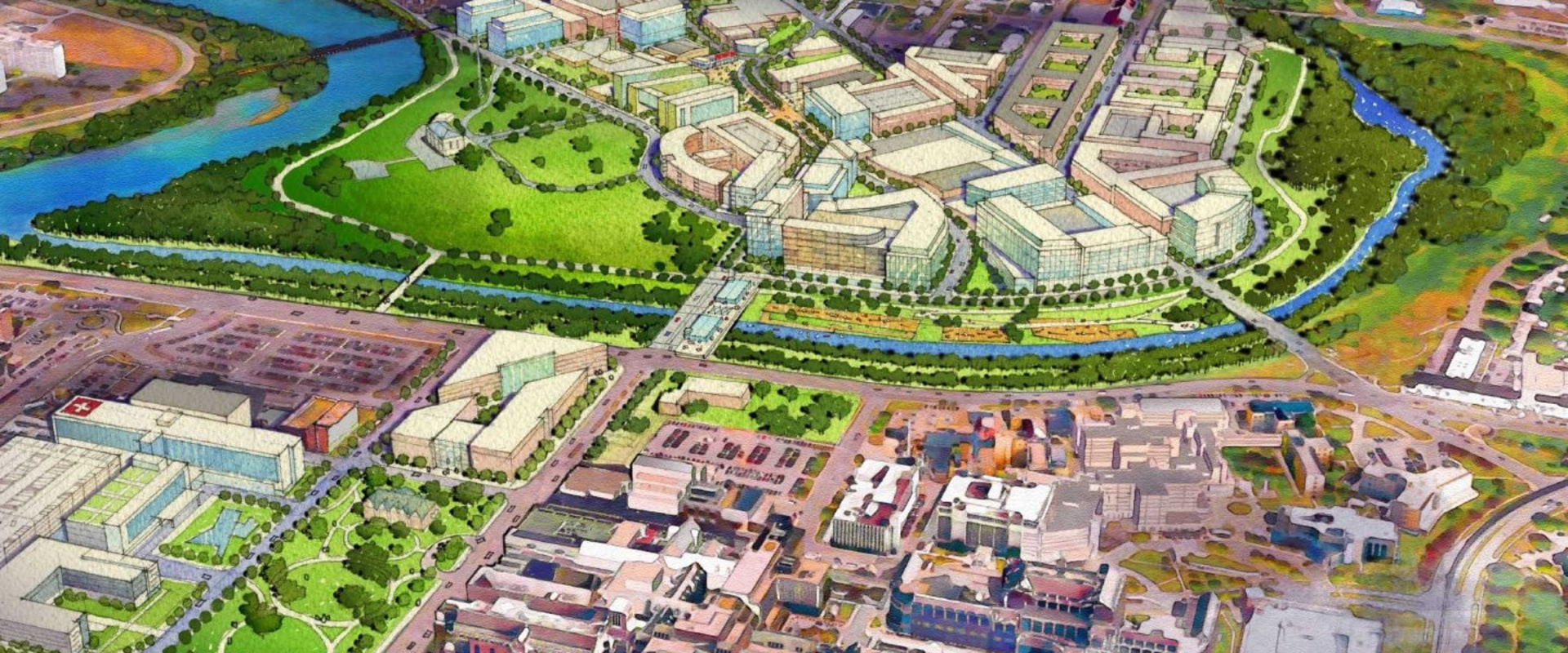
In recent years, the importance of sustainability has surged to the forefront of public discourse, with communities around the globe striving to mitigate the impacts of climate change. Among these efforts, green initiatives spearheaded by local governments have emerged as a critical component in promoting environmental stewardship and enhancing the quality of life for residents. One city that stands out in this movement is Indianapolis, where innovative policies and programs are reshaping the urban landscape and fostering a more sustainable future. This article delves into the multifaceted approach taken by Indianapolis to implement various green initiatives, showcasing how local government is not just responding to environmental challenges but actively creating solutions that resonate with the community's needs. From expanding green spaces and promoting renewable energy to implementing waste reduction programs, Indianapolis is setting an example for other cities to follow.
Join us as we explore these transformative efforts that not only benefit our planet but also enhance civic engagement and foster a sense of community pride. In recent years, the city of Indianapolis has made significant strides in promoting green initiatives, recognizing the importance of sustainability for urban living. These efforts are not only crucial for combating climate change but also vital for enhancing the quality of life for its residents. The local government has been proactive in implementing various programs that cater to environmental sustainability and community engagement. One of the most prominent initiatives is the push for urban gardening. The city has collaborated with local organizations to establish community gardens across various neighborhoods.
These gardens not only provide fresh produce but also serve as a platform for education on sustainable farming practices. As of 2023, over 100 community gardens have been established, with a report indicating that they have collectively yielded more than 25,000 pounds of fresh fruits and vegetables. This initiative promotes food security and encourages residents to engage with their environment. Additionally, Indianapolis has launched several renewable energy projects aimed at reducing reliance on fossil fuels. One noteworthy project is the installation of solar panels on municipal buildings, which has resulted in a 30% reduction in energy costs for the city.
The local government has partnered with businesses and non-profits to promote residential solar installations, providing tax incentives and rebates that have led to a 50% increase in solar adoption among homeowners in the past two years. This transition not only supports local economies but also contributes to lowering carbon emissions. Another critical area of focus is waste reduction strategies. The city has implemented a comprehensive recycling program that aims to divert 50% of waste from landfills by 2030. Educational campaigns have been launched to raise awareness about recycling practices among residents.
Recent statistics show that Indianapolis has achieved a diversion rate of approximately 35%, demonstrating community commitment to waste management and sustainability. The city has also initiated composting programs that allow residents to turn organic waste into valuable compost, further reducing landfill contributions. Public transportation improvements are another key aspect of Indianapolis's green initiatives. The local government has invested in expanding public transit options, including electric buses that reduce greenhouse gas emissions and improve air quality. In recent years, the IndyGo bus system has seen significant upgrades, with plans to implement more electric vehicles into its fleet by 2025. These improvements have not only made public transportation more accessible but have also encouraged residents to opt for eco-friendly commuting options, reducing traffic congestion and pollution. The success of these initiatives can be attributed in part to strong community participation and partnerships with local organizations and businesses.
Collaborations with nonprofits focused on environmental advocacy have strengthened outreach efforts and increased volunteer involvement in projects like tree planting and clean-up events. For example, the partnership with Keep Indianapolis Beautiful has resulted in the planting of over 10,000 trees since 2020, significantly enhancing the city's green spaces while fostering community pride. However, these initiatives are not without challenges. Some residents express concerns about the costs associated with implementing renewable energy solutions and the complexities of navigating recycling regulations. Furthermore, there are ongoing debates regarding the equitable distribution of green resources across different neighborhoods, particularly in underserved areas.
Addressing these criticisms requires ongoing dialogue between the local government and community members to ensure that all voices are heard and considered in decision-making processes. In conclusion, Indianapolis's commitment to green initiatives illustrates a proactive approach to sustainability that not only benefits the environment but also enhances community well-being. Through urban gardening, renewable energy projects, waste reduction strategies, and improved public transportation, the local government aims to create a greener future for all residents while fostering collaboration among various stakeholders.
Sustainable Transportation
In recent years, Indianapolis has made significant strides in promoting sustainable transportation options for its residents. Recognizing the environmental impact of traditional commuting methods, local government initiatives have focused on enhancing public transportation and cycling infrastructure. These improvements aim to reduce carbon emissions and promote healthier lifestyles among city dwellers. The city has invested in expanding its public transit system, which includes the introduction of more efficient buses and the development of dedicated bus lanes.This not only improves travel times for commuters but also encourages more residents to opt for public transport over personal vehicles. The commitment to sustainable transportation is further exemplified by the recent launch of a bike-sharing program, providing easy access to bicycles for short-distance travel. Moreover, the expansion of bike lanes throughout the city has made cycling a safer and more appealing option. These lanes connect key neighborhoods and commercial areas, allowing cyclists to navigate the city with ease. By prioritizing sustainable transportation, Indianapolis is fostering a community that values eco-friendly commuting and contributes to a cleaner environment.
Community Engagement
Community engagement is a cornerstone of effective green initiatives in urban settings, fostering a sense of ownership and responsibility among residents.In Indianapolis, local government programs actively involve community members in various sustainability efforts, ensuring that citizens are not just passive recipients of policies but active participants in shaping their environment. One notable program is the series of educational workshops organized by the city, which aim to inform residents about sustainable practices they can implement in their daily lives. These workshops cover topics such as composting, energy efficiency, and urban gardening, empowering individuals with the knowledge and tools they need to contribute to a greener Indianapolis. Additionally, the city offers numerous volunteer opportunities for residents who wish to directly participate in sustainability projects. Initiatives such as tree planting drives, park clean-ups, and community gardens not only enhance the local environment but also strengthen community bonds. By engaging in these activities, residents can see the tangible impacts of their efforts while fostering a collective commitment to sustainability. Moreover, local government encourages partnerships with schools and community organizations to expand the reach of these programs.
Collaborations with educational institutions help integrate sustainability into curriculums and encourage younger generations to participate in green initiatives. This multi-faceted approach not only promotes awareness but also nurtures a culture of environmental stewardship among all age groups.
Renewable Energy Projects
In recent years, Indianapolis has made significant strides towards embracing renewable energy as a core component of its sustainability strategy. The local government has launched several initiatives aimed at increasing the use of renewable energy sources, which not only contribute to reducing greenhouse gas emissions but also promote economic growth and job creation in the region. One of the key initiatives is the Indianapolis Power & Light Company (IPL) project, which aims to transition to a more sustainable energy portfolio. This includes investments in solar and wind energy facilities that are expected to provide cleaner energy to thousands of homes across the city.The city has partnered with various organizations to expand solar installations on public buildings and encourage residents to consider solar options for their own properties. Furthermore, the local government has implemented programs to support energy efficiency upgrades in both residential and commercial buildings. These efforts are designed to not only cut down on energy consumption but also to facilitate a smoother transition to renewable sources by reducing overall demand. The city has also been actively involved in community outreach initiatives, educating residents about the benefits of renewable energy. Workshops and informational sessions aim to inform citizens about available incentives for adopting clean energy technologies, such as tax credits and rebates for solar panel installation. Overall, these renewable energy projects reflect Indianapolis' commitment to becoming a greener city and demonstrate how local government initiatives can lead to a more sustainable future for all residents.
Future Goals and Challenges
As Indianapolis continues to embrace its commitment to sustainability, the local government has outlined several future goals aimed at enhancing green initiatives across the city. One of the primary objectives is to achieve a significant reduction in greenhouse gas emissions by implementing more energy-efficient practices in public buildings and infrastructure.This aligns with the broader ambition of transitioning to renewable energy sources, such as solar and wind, which have already seen increased investment in recent years. Moreover, the city plans to expand its green spaces and improve urban biodiversity through initiatives like tree planting campaigns and the creation of community gardens. These projects are designed not only to beautify neighborhoods but also to foster community engagement and education around environmental stewardship. However, these ambitious plans come with their own set of challenges. Funding remains a critical issue, as many green initiatives require substantial financial investment. The local government must navigate budget constraints while seeking partnerships with private organizations and non-profits to secure additional resources.
Additionally, there is the challenge of public buy-in; engaging residents and businesses in sustainability efforts is crucial for the success of these initiatives. Without widespread community support, even the best-laid plans may falter. Furthermore, regulatory hurdles can slow progress, particularly when it comes to implementing new technologies or altering land use. The city will need to work closely with state agencies and advocacy groups to streamline processes and encourage innovative solutions that align with environmental goals. Overall, while Indianapolis is on a promising path towards enhancing its green initiatives, addressing these obstacles will be essential for ensuring long-term sustainability and achieving the city's environmental objectives.
Urban Green Spaces
Urban green spaces play a vital role in enhancing the quality of life for residents in Indianapolis. These areas not only provide recreational opportunities but also contribute significantly to the environment and community well-being.The local government has recognized the importance of creating and maintaining parks, gardens, and natural reserves as part of its commitment to sustainability. In recent years, Indianapolis has launched several initiatives aimed at expanding its green spaces. The development of new parks and the revitalization of existing ones have been prioritized to ensure that residents have access to safe and enjoyable outdoor environments. For instance, projects like the Monon Trail expansion and improvements to White River State Park exemplify the city’s commitment to fostering active lifestyles while preserving natural habitats. The benefits of these urban green spaces extend beyond mere aesthetics. They play a crucial role in improving air quality, reducing urban heat, and providing habitats for local wildlife.
Additionally, parks and green areas offer social benefits by serving as community gathering places where people can connect, engage in physical activities, and participate in local events. Moreover, the maintenance of these spaces is equally important. The city has implemented programs that involve community members in the upkeep of parks, fostering a sense of ownership and pride among residents. Volunteer days and partnerships with local organizations help ensure that these green spaces remain well-maintained and accessible for everyone. As Indianapolis continues to grow, the preservation and expansion of urban green spaces will be essential in creating a sustainable and livable city for future generations. The local government's dedication to these initiatives reflects a broader understanding of their significance in urban planning and public health. In conclusion, the green initiatives undertaken by the local government of Indianapolis play a crucial role in enhancing the quality of life for residents while safeguarding the environment for future generations.
By investing in urban green spaces, promoting renewable energy projects, and supporting sustainable transportation, the city demonstrates a strong commitment to sustainability. Additionally, the emphasis on community engagement ensures that residents are not just passive observers but active participants in the journey towards a greener future. As we look forward, it is essential to recognize the future goals and challenges that lie ahead, encouraging all residents to engage with these initiatives and consider their own contributions to building a more sustainable Indianapolis.