Recent Shootings in Indianapolis: A Community in Crisis
Explore the recent shootings in Indianapolis, their implications for the community, and ongoing safety measures.
 By Tonya Calin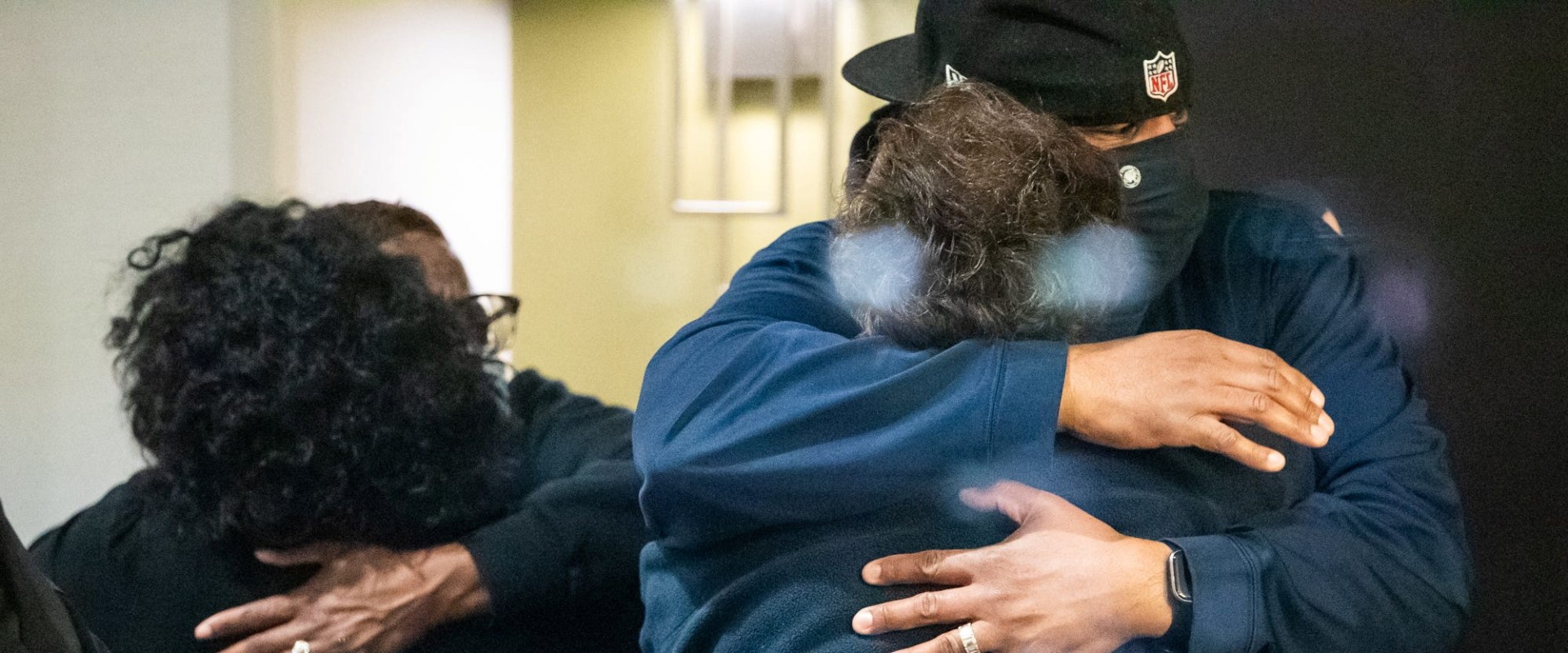
In recent months, the city of Indianapolis has been grappling with a troubling rise in gun violence, leaving residents in a state of alarm and uncertainty. The In recent months, the city of Indianapolis has been grappling with a troubling rise in gun violence, leaving residents in a state of alarm and uncertainty. The recent shootings in Indianapolis have not only claimed lives but have also shattered the sense of safety in neighborhoods that were once considered peaceful. With each incident, stories of loss and heartache emerge, reflecting the devastating impact on families and the community at large. This article aims to shed light on the ongoing crisis, exploring the factors contributing to this surge in violence and how it is affecting the fabric of Indianapolis. As we delve into the statistics and personal stories behind these tragic events, we invite you to understand the urgency of the situation and the call for action that resonates throughout our city. Join us as we navigate through the complexities of this issue, seeking not only to inform but also to inspire a collective response to restore peace in our beloved Indianapolis.
The time for change is now, and by staying informed, we can all play a role in fostering a safer community.
Recent shootings in Indianapolis
have drawn significant attention from both local residents and national observers, as a series of tragic incidents have rocked the community. In the past few months, several shootings have occurred, each leaving behind a trail of grief and fear. On July 15, 2023, a shooting at a neighborhood park in the Near Eastside resulted in two fatalities and three injuries, highlighting the alarming trend of violence in what was once considered a safe area for families. Just weeks later, on August 22, another incident occurred in the West Indianapolis area, where gunfire erupted during a late-night gathering, injuring four individuals and raising questions about safety in public spaces. The timeline of these incidents reveals disturbing patterns.Most shootings have predominantly taken place in historically marginalized neighborhoods such as the Near Northside and Martindale-Brightwood, where socioeconomic factors contribute to a cycle of violence. A common demographic feature among victims has been young men between the ages of 18 and 30, often tied to gang affiliations or retaliatory violence. These trends are not only alarming but also speak to deeper societal issues that need addressing. The emotional impact of these shootings on families and communities cannot be overstated. Community leaders have expressed their outrage and sorrow, with many calling for immediate action to address the root causes of violence.
Local law enforcement officials, while committed to increasing patrols and investigations, have admitted that they face challenges in curbing this rising tide of gun violence. "We are doing everything we can, but we need community support and cooperation to make real change," said Police Chief Randal Taylor in a recent press conference. Families affected by these tragedies have shared their heart-wrenching stories at community meetings and vigils. One mother spoke out after losing her son in the July shooting, emphasizing the need for more resources for youth programs that can provide alternatives to gang involvement. These narratives underscore the importance of understanding how each shooting reverberates throughout the community, leaving scars that can last for generations. The broader issue of gun violence in Indianapolis has been alarming when compared to national averages.
According to the latest reports from the Centers for Disease Control and Prevention, Indianapolis has seen a higher rate of gun-related deaths than many other U.S. cities, with nearly 200 homicides attributed to gunfire in 2022 alone. This statistic places Indianapolis among the highest tiers for gun violence in urban areas, prompting calls for comprehensive reform. In response to these incidents, various community initiatives have emerged. Vigils honoring victims have become common, serving both as memorials and as platforms for advocating change.
Support groups are forming to help families cope with loss, while local organizations are pushing for educational programs aimed at prevention. The city council has also begun discussions around improving public safety measures, including potential funding for community policing efforts. The political discourse surrounding gun control has intensified as well. In light of recent events, debates have resurfaced regarding the effectiveness of current laws and what additional measures might be needed to protect residents. Some advocates argue for stricter regulations on firearm sales, while others emphasize the need for mental health resources as a way to prevent violence before it occurs.
This multifaceted approach reflects a growing recognition that solving the problem of gun violence requires collaboration between law enforcement, policymakers, and community members. Historically, Indianapolis has faced challenges with violence stemming from economic disparities and systemic issues that have persisted over decades. The current wave of shootings is not an isolated phenomenon but rather part of a larger narrative about urban violence that has plagued many American cities. Understanding this context is crucial in addressing the immediate needs of those affected while also tackling the deeper issues that contribute to crime. The recent shootings in Indianapolis illustrate not only an urgent public safety crisis but also a profound community challenge that demands collective action and ongoing dialogue among all stakeholders involved. As residents come together to mourn their losses and advocate for change, it is clear that addressing the root causes of gun violence will require sustained effort and collaboration moving forward.
Community Reactions and Support Initiatives
In the wake of recent shootings in Indianapolis, the community has come together to express their grief and solidarity.Local residents have organized vigils to honor the victims, providing a space for healing and reflection. These gatherings not only serve as memorials but also foster a sense of unity among those affected by the violence. Community meetings have emerged as vital platforms for discussion, where residents can voice their concerns and seek solutions. These forums are crucial for addressing the root causes of gun violence and developing collective strategies to enhance safety in neighborhoods. Participants include local leaders, law enforcement officials, and advocacy groups, all working towards a common goal of fostering a safer environment. Support networks have also sprung up in response to these tragic events.
Organizations dedicated to mental health resources are offering counseling services for those impacted by violence, recognizing that the emotional toll extends far beyond the immediate victims. Additionally, community-based initiatives are focusing on prevention through youth engagement programs, mentorship opportunities, and educational workshops aimed at empowering residents. These local responses highlight the resilience of Indianapolis’ communities as they navigate through these challenging times. By coming together, they not only honor the memory of those lost but also lay the groundwork for a more supportive and secure future.
Political Reactions and Legislative Actions
In the wake of the recent shootings in Indianapolis, political leaders have expressed their outrage and concern over the rising trend of gun violence in the city.Local officials
have called for urgent action, emphasizing the need for comprehensive measures to address the root causes of these violent incidents.Mayor Joe Hogsett stated, "We cannot continue to allow our neighborhoods to be plagued by gun violence. It is time for us to come together and find solutions that protect our community." This sentiment has been echoed by various members of the city council, who are advocating for increased funding for community safety programs and mental health services. Moreover, the recent events have reignited discussions around gun control legislation at both local and state levels. Proponents of stricter gun laws argue that enhancing background checks and regulating access to firearms could significantly reduce the likelihood of such tragedies. However, these proposals face considerable opposition from gun rights advocates who argue that the focus should be on addressing societal issues rather than restricting individual freedoms. The ongoing legislative debates have highlighted the divide among lawmakers regarding how best to approach the issue of gun violence.
Some state representatives are pushing for immediate action, while others call for a more measured approach, suggesting that comprehensive studies are needed to understand the complexities behind these incidents fully. As the community grapples with the aftermath of these shootings, it remains crucial for policymakers to engage in meaningful dialogue and work towards effective solutions that prioritize public safety.
Statistics on Gun Violence in Indianapolis
Gun violence remains a pressing issue in Indianapolis, with the city experiencing a significant number of shooting incidents in recent years. In 2022 alone, there were over 200 homicides, marking a troubling trend that has captured the attention of both local authorities and community members. To put this into perspective, the gun violence rate in Indianapolis has been compared to national averages. According to the FBI's Uniform Crime Reporting Program, Indianapolis has consistently reported higher rates of violent crime than the national average, with gun-related incidents being a significant contributor. Furthermore, a recent report indicated that nearly 70% of homicides in the city were committed using firearms, highlighting the critical role that guns play in violent crime here.This statistic underscores the urgent need for comprehensive discussions around gun control and community safety measures. Demographic studies reveal that gun violence disproportionately affects specific communities within Indianapolis. Data shows that neighborhoods with higher poverty rates often experience elevated levels of gun violence, suggesting a complex interplay between socioeconomic factors and crime rates. In comparison to previous years, the statistics indicate a concerning rise in both shootings and fatalities. For example, from 2021 to 2022, there was an increase of over 15% in shooting incidents reported to law enforcement. This escalation not only reflects the immediate dangers faced by residents but also points to broader societal issues that require attention. Understanding these statistics is vital for community leaders and organizations aiming to address the root causes of gun violence.
By analyzing trends and demographics, stakeholders can develop targeted interventions to help reduce the incidence of shootings and foster safer environments for all residents.
Recent Incident Overview
In recent months, Indianapolis has witnessed a troubling surge in gun violence, raising alarms within the community. One notable incident occurred on date, where a shooting in the neighborhood resulted in the tragic loss of a young life. The victim, identified as name, was only age years old, a promising student known for their dedication to academics and community service. According to police reports, this incident was part of a larger trend, with multiple shootings reported across various neighborhoods. The authorities noted that many of these incidents appear to be related to gang activity and disputes over territory.In another case on date, a drive-by shooting left several individuals injured, including victim names or demographics. Eyewitnesses described hearing multiple gunshots and fleeing for safety. The community's reaction has been one of fear and frustration. Local leaders have called for increased police presence and community outreach programs to address the root causes of violence. Residents have organized vigils for victims, emphasizing the emotional toll these events take on families and friends.
Many are advocating for change, urging local government officials to prioritize public safety measures and support for mental health services. The impact of these shootings extends beyond immediate victims; it affects entire neighborhoods, creating an atmosphere of anxiety and mistrust. Understanding the demographics affected by these incidents is crucial for developing effective prevention strategies. Many victims come from marginalized communities that already face significant social and economic challenges. As Indianapolis grapples with this crisis, it is imperative that we seek to understand not only the statistics but also the human stories behind them. By shining a light on these incidents, we hope to foster dialogue and encourage action towards a safer community. In conclusion, the Recent Shootings in Indianapolis highlight a troubling trend that not only affects the victims and their families but also resonates throughout the entire community.
As we have discussed, the emotional toll and societal impact of these incidents are profound, underscoring the necessity for community unity in the face of such challenges. The statistics reveal a stark reality, while the reactions from both the community and political leaders demonstrate a collective desire for change. It is imperative that we recognize our shared responsibility to address gun violence and support initiatives aimed at improving safety. We encourage our readers to engage with local programs that focus on prevention and aid for those affected by these tragedies. Together, through awareness and action, we can create a safer environment for all Indianapolis residents.